
Pebbledash Painting in Cheshire
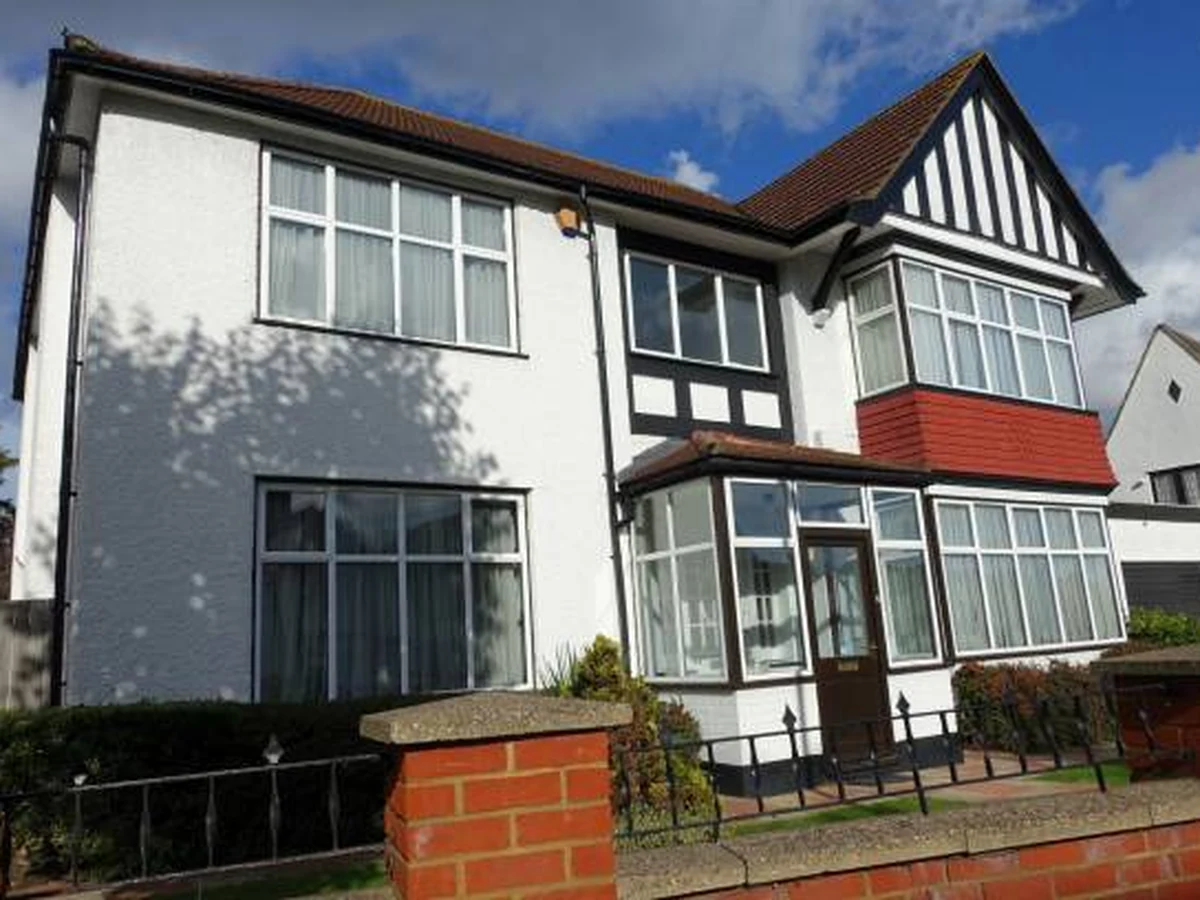
Pebbledash painting in Wilmslow and across Cheshire.
Cheshire Painters connects you with a trusted local painter and decorator for pebbledash painting projects.
What Cheshire Painters covers:
- Pebbledash upper storeys and full-house coverage
- Pressure washing and biological growth treatment
- Pebble dash repairs where stones have detached
- Two-coat masonry paint application by long-pile roller and brush
- Colour changes and refreshes across Cheshire
Your decorator has worked on pebbledash across Cheshire’s inter-war stock: 1930s and 1950s semis in Macclesfield, Crewe, Northwich, and Winsford. Getting this surface right takes the right tools and the right technique.
How Cheshire Painters Works
Cheshire Painters connects Wilmslow homeowners with our trusted local painter and decorator partner.
From the first site visit to the written quote, the work, and the guarantee that backs it, everything runs directly between you and your decorator. We make the introduction and stay on hand; they do the work and stand behind it.
Why Choose Cheshire Painters
Pebbledash Specialists
Long-pile roller and brush application to push paint into every recess: the only way to get full coverage on this surface.
Clear Pricing
price set out in your decorator’s written quote from your first quote. No surprises when the job is done.
Fully Insured
Your decorator carries full public liability cover.
Highly Recommended
Most work comes through repeat clients and referrals.
Pebbledash Painting Services
Pebbledash requires specialist techniques that differ from smooth render or standard masonry.
How Pebbledash Is Painted
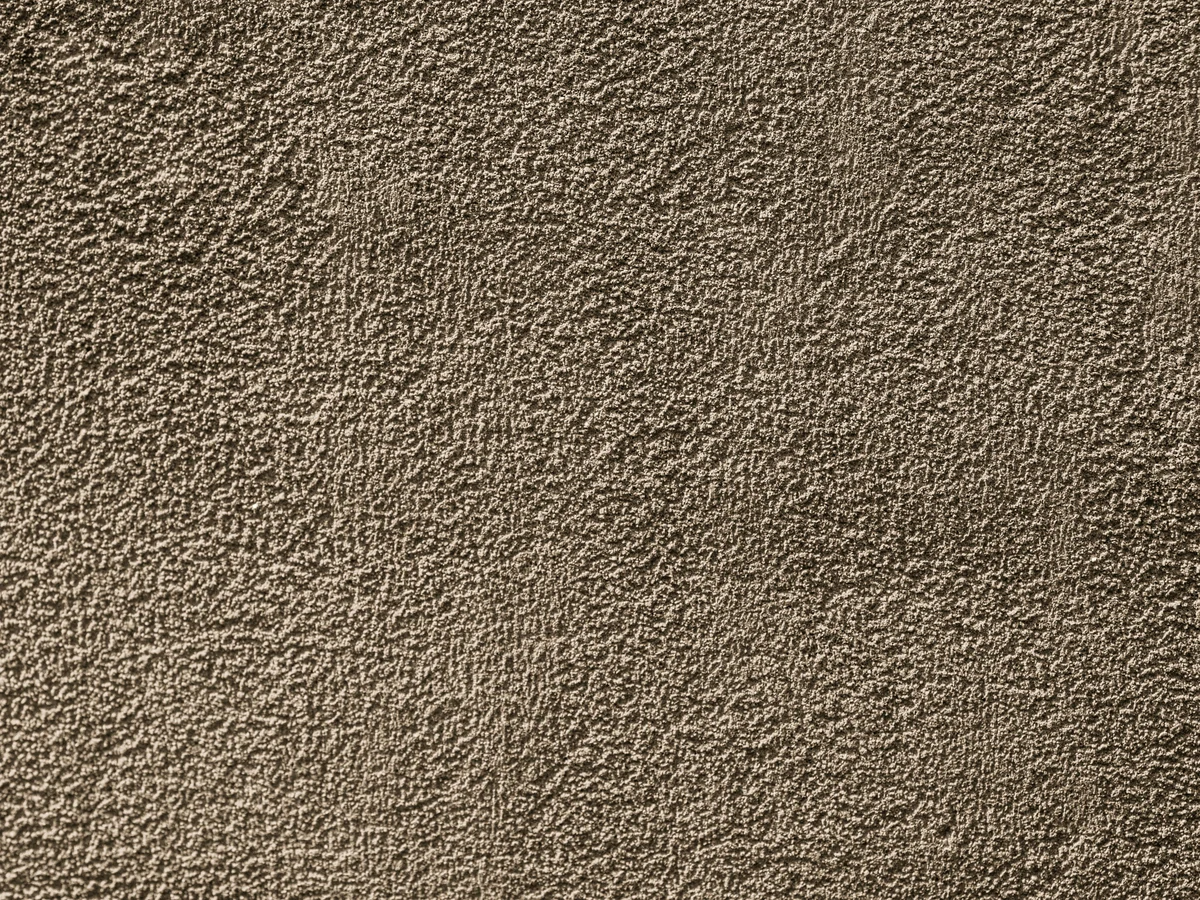
Pebbledash is one of the most demanding exterior surfaces to paint well. The stones create a heavily textured surface with deep recesses that a standard short-pile roller cannot reach. Your decorator uses a long-pile masonry roller to push paint deep into the surface, working it in with a brush to ensure full coverage.
Pebbledash also consumes significantly more paint per square metre than smooth render. Two full coats are standard, not optional.
Preparation: Washing and Treating the Surface
Dirt, moss, algae, and lichen collect in the crevices of pebbledash. Painted over, they prevent adhesion and trap moisture beneath the surface.
Every job starts with a pressure wash to remove biological growth and loose material. On north-facing elevations, common on Cheshire’s denser inter-war semis, your decorator applies a mould treatment before painting. Any areas where pebbles have become detached are filled and repointed before the first coat.
Colour Options and Paint Selection
Breathable masonry paint is the correct product for pebbledash. It allows moisture vapour to escape through the wall rather than building up beneath the surface. Your decorator uses trade-grade masonry paints from Dulux Weathershield, Sandtex, and Johnstone’s Stormshield.
Colour change is one of the most common reasons Cheshire homeowners get in touch. Contemporary greys, soft off-whites, and heritage tones are the most popular choices. For all exterior masonry (brick, stone, and render), see the masonry painting service.
Partial Pebbledash and Repair Work
Partial Pebbledash: Upper Storey and Banded Surfaces
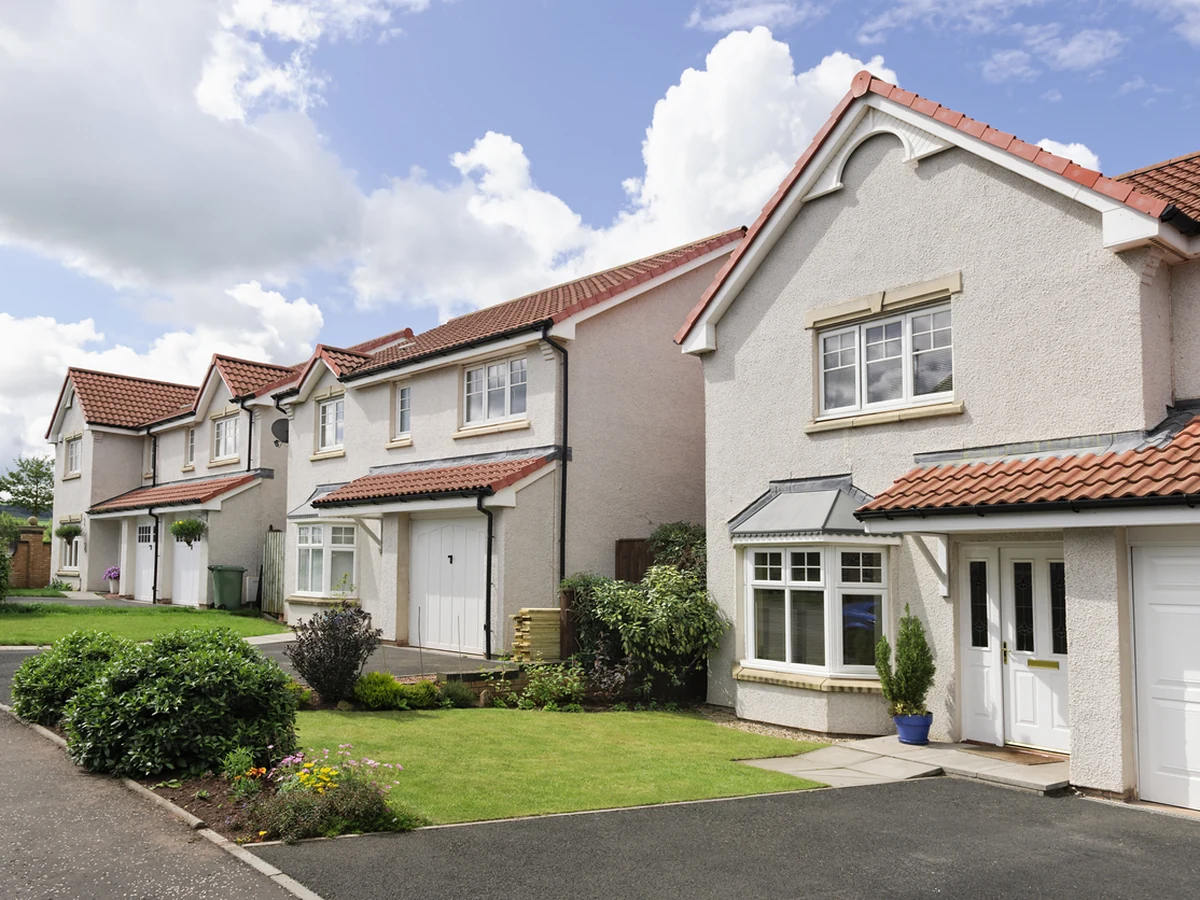
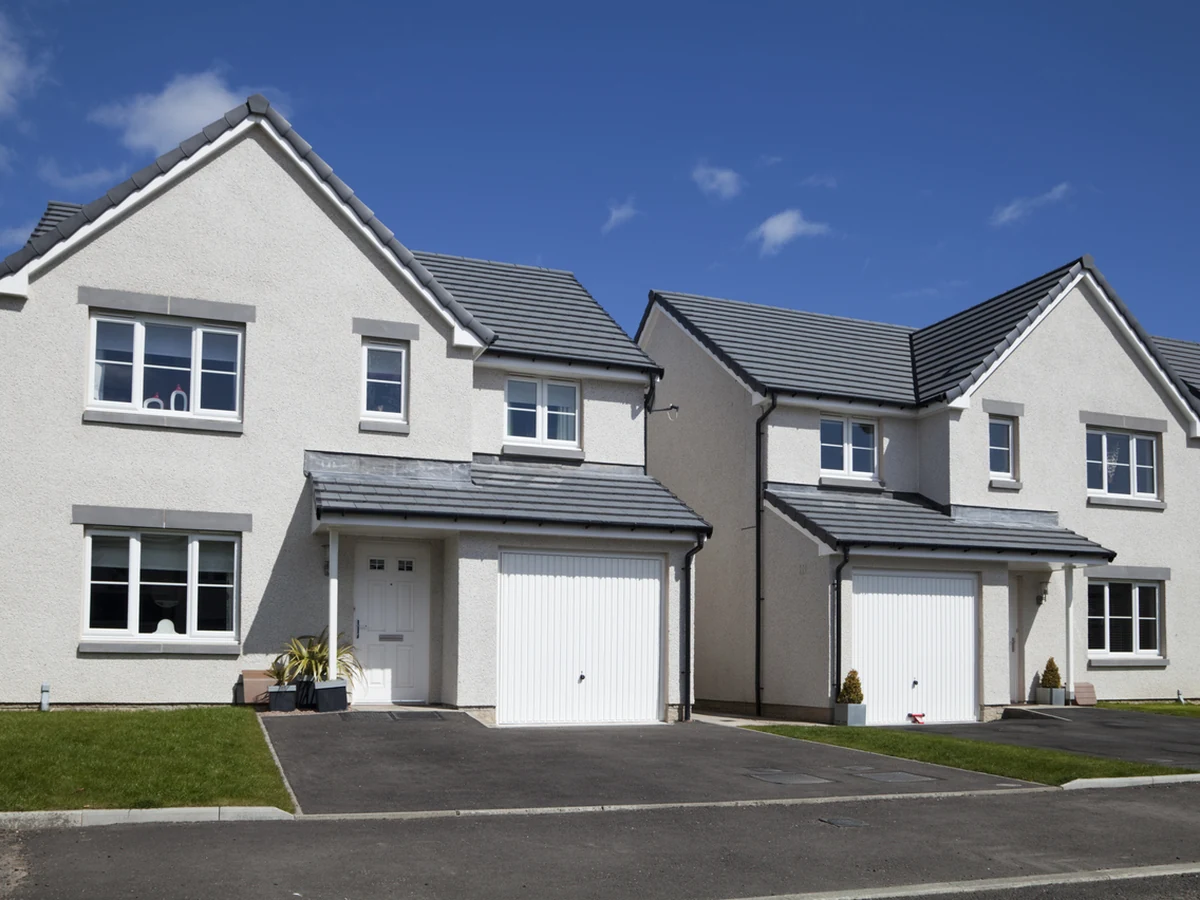
Many Cheshire inter-war semis have pebbledash only on the upper storey, with smooth render or brick below. Your decorator handles the junction between pebbledash and smooth render carefully: a clean edge between the upper pebbledash and the lower render is essential for a professional finish.
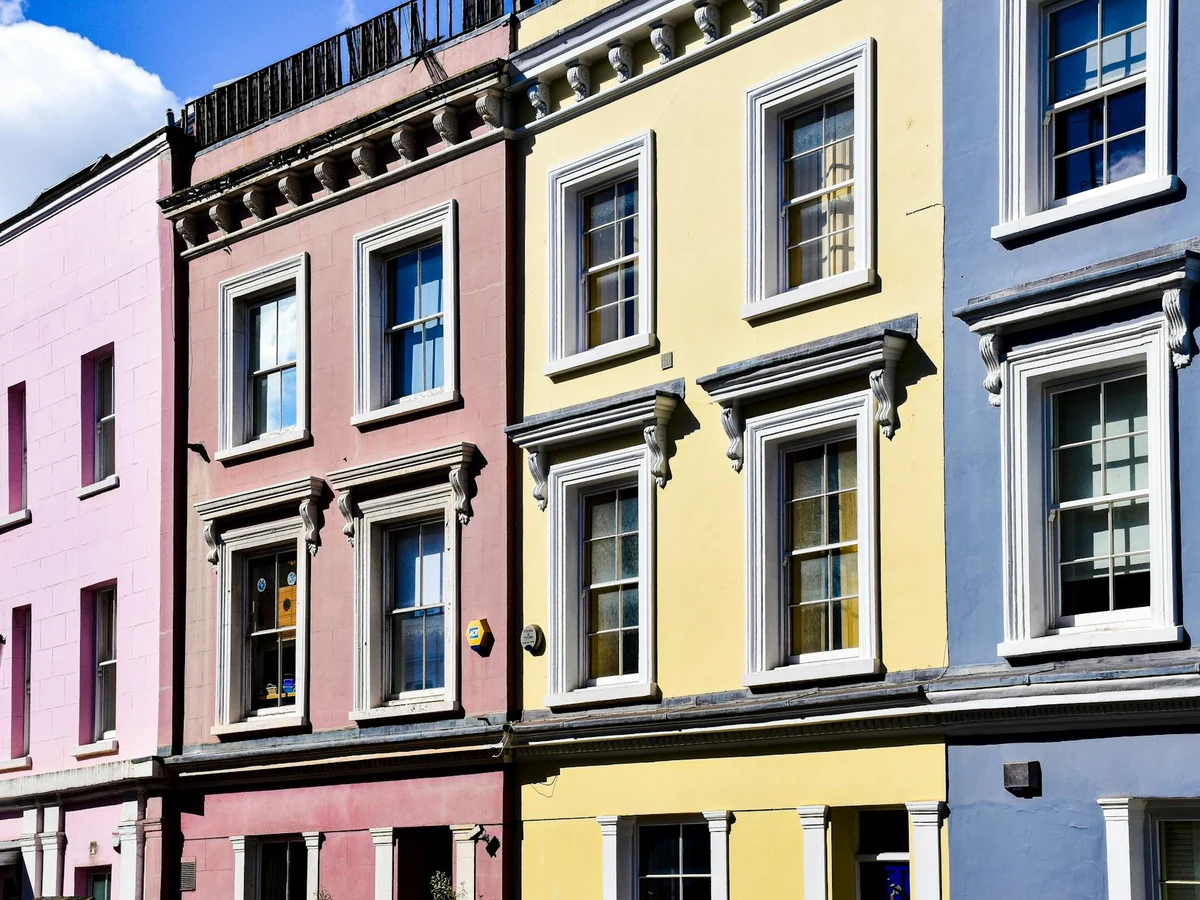
Access for upper-storey work requires scaffold towers or extending ladders depending on the property. Your decorator assesses access requirements at the quotation stage and includes equipment in the quote. For smooth rendered walls, see the render painting service.
Pebble Dash Repairs Before Painting
Where pebbles have become detached, repairs are needed before painting. Detachment is most common at the base of walls, around window surrounds, and on south-facing elevations where thermal movement is greatest. Painting over gaps or thin patches produces a different texture at the repair site and is visible once dry.
Your decorator carries repair materials on every pebbledash job. Localised repairs are completed as part of the preparation process and allowed to cure before the first paint coat is applied.
Here’s How It Works
1. Assessment
Your decorator inspects the surface (coverage extent, biological growth, detached pebbles, and access requirements) before providing a price set out in your decorator’s written quote.
2. Pressure Washing
The entire surface is washed to remove dirt, moss, and algae. Mould treatment is applied where growth is present.
3. Repairs
Any detached pebbles or damaged areas are repaired and left to cure.
4. Masking
Windows, doors, sills, and any adjacent brickwork are fully masked.
5. Paint Application
Two coats applied by long-pile roller and brush, working paint into every recess. The second coat is applied once the first is fully dry.
6. Inspection
Coverage is checked and any patches are addressed before leaving.
Pebbledash Painting Costs in Cheshire
Prices below are estimates only. Every property is different.
Typical Price Ranges
3-bed terraced (upper half pebbledash, Crewe or Macclesfield): £550–£900. 3-bed semi (pebbledash throughout, Northwich or Winsford): £800–£1,500. 4-bed detached (fully pebbledashed, Wilmslow or Congleton): £1,200–£2,200. Scaffold tower if required: £200–£400 additional.
What Affects the Cost
Biological growth extent: north-facing properties take longer to clean and treat. Number of pebble repairs: detached stones at base and south-facing elevations add prep time. Access requirements: scaffold towers for upper-storey-only pebbledash add £200–£400.
Combining Services
Pebbledash painting is part of the wider exterior painting service. For brick, stone, and smooth rendered walls, see the masonry painting page.
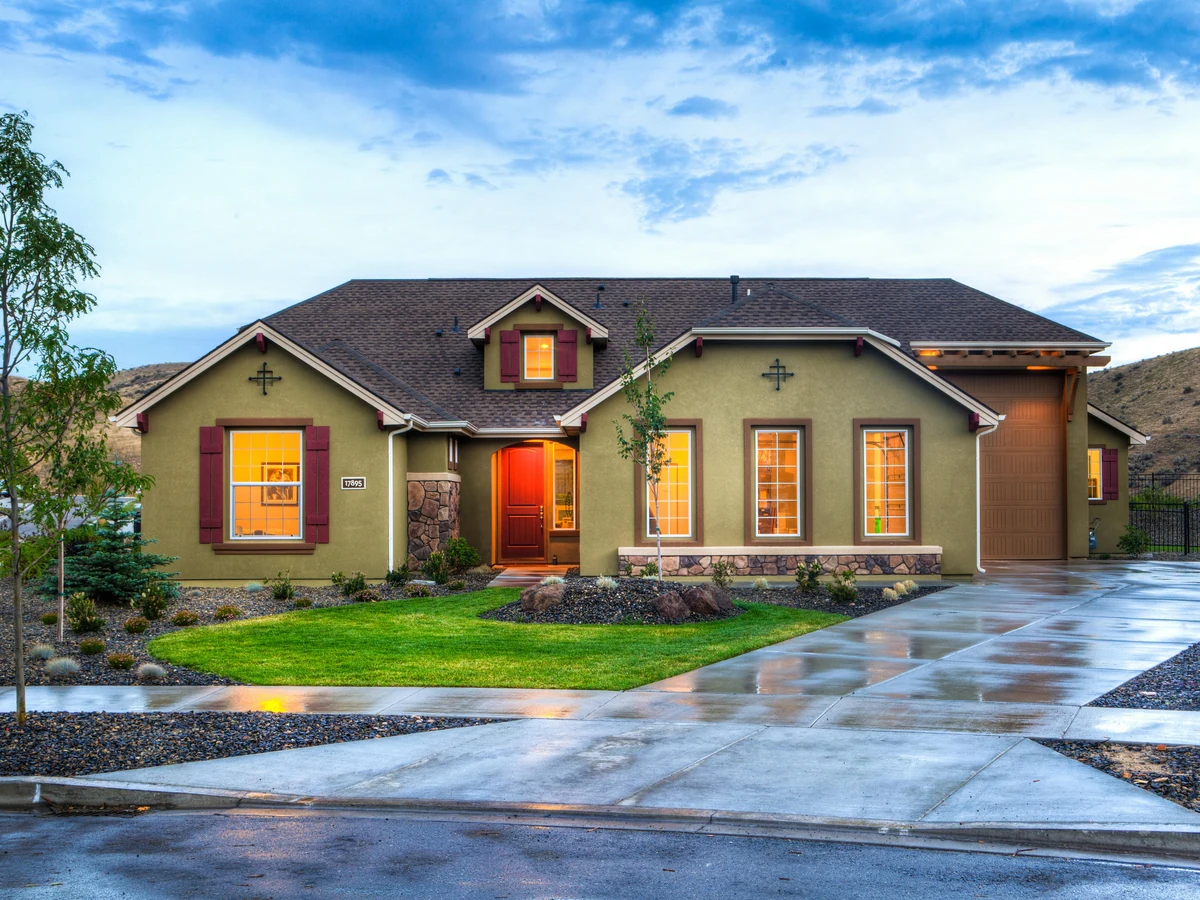
Pebbledash painting is part of a wider exterior painting project for many Cheshire homes. Your decorator can combine this with fascia, window frame, and render painting where relevant.